Subtract
Humans are naturally biased toward adding more—more steps, more features, more solutions—when often the best improvement comes from removing something instead. Subtraction is an overlooked but powerful tool for solving problems, simplifying systems, and increasing effectiveness. Intentionally ask, “What can I take away?” when facing a challenge—cutting unnecessary complexity to create clearer, more efficient impactful outcomes.
Upstream
Many of the problems we face persist because we spend too much time reacting to crises instead of preventing them. Real progress comes from identifying root causes and redesigning systems so problems don’t keep recurring. Step back from constant firefighting and ask what structural changes—policies, incentives, processes, or early interventions—could stop issues before they reach downstream consequences.
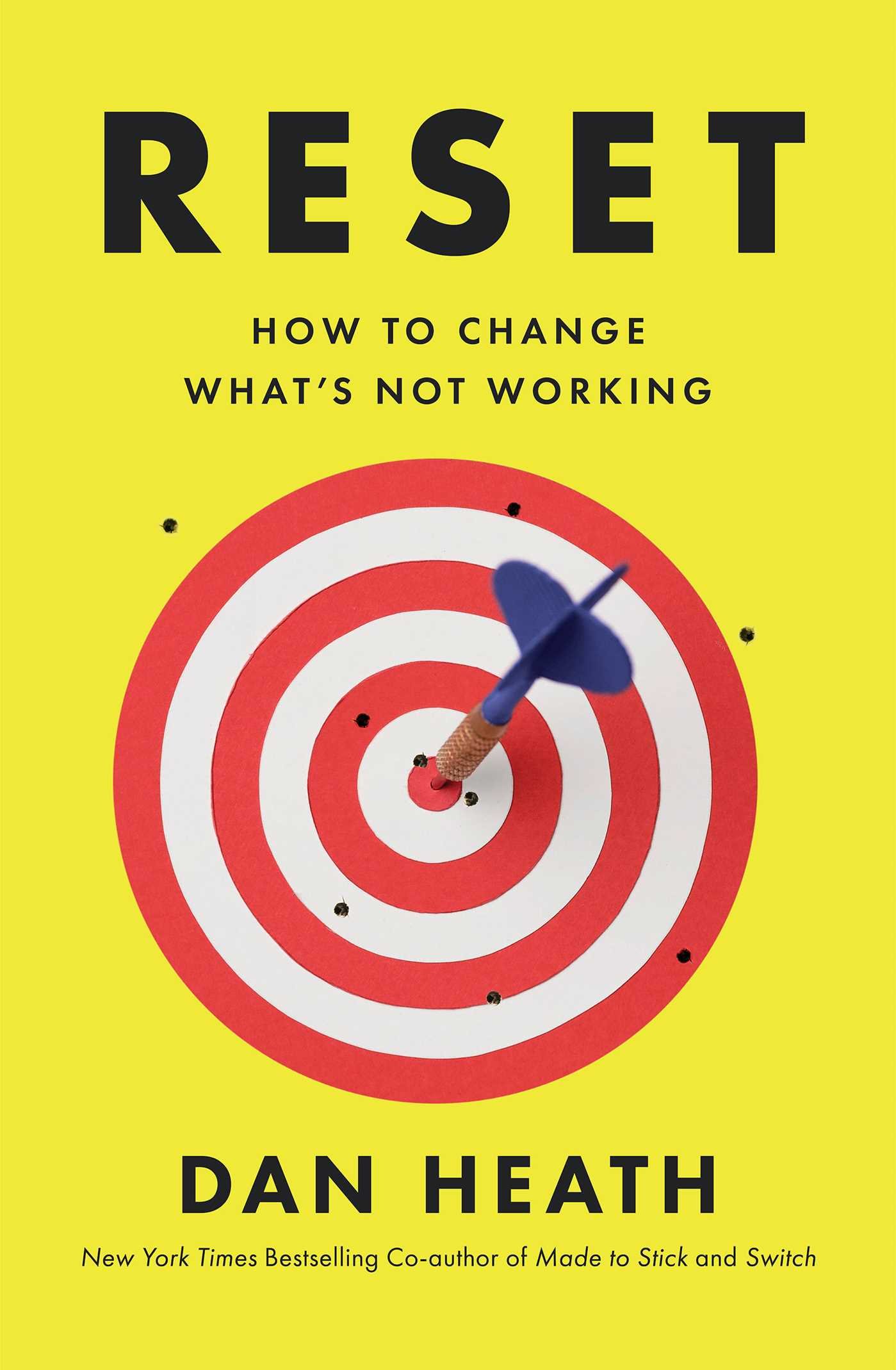
Reset
Progress often feels stuck—not because people lack effort, but because systems are misaligned and filled with friction. Meaningful change comes from finding leverage points, removing obstacles, and redesigning environments so the right actions become easier. Focus on fixing what’s broken in the system—simplifying processes, reducing bottlenecks, and creating conditions that naturally support better outcomes instead of relying on motivation alone.
The Science of Scaling
Growth doesn’t come from doing more, but from deliberately subtracting distractions and focusing on what matters most. Scaling requires clarity of identity, goals, and constraints. A practical application is to define your “not-to-do” list—eliminating low-value activities so energy and resources can be concentrated on the few actions that truly drive growth.