Why a Book List?
I’m often mentioning, referring to or endorsing books I’ve read when leading workshops, teaching or coaching with leaders and teams. As a result, I’m then often asked, “Hey what was that book you mentioned?” or “What other books do you recommend?” So, here you go. These aren’t all the books I’ve read recently, just the most interesting, helpful, inspiring or insightful ones.
How I Read
When I read I’m on the hunt for the 1 or 2 takeaways. That’s it. It’s rarely an entire book, but rather a big idea that helps me think differently, a concept I hadn’t considered before or reframing a way to see, think about or process something old but in a new way. I believe reading things written outside of the context of the work I do can offer insights and tools that can translate into my work that I can then incorporate into trainings, teachings and workshops. I say all of that to say this - I can’t and don’t endorse every page in every one of these books. I do, however, endorse the 1 or 2 things each of these books have offered me, and I’m grateful for how they have helped challenge, inspire, grow and shape me; and for how they’ve offered me something I’ve then been able to offer to others.
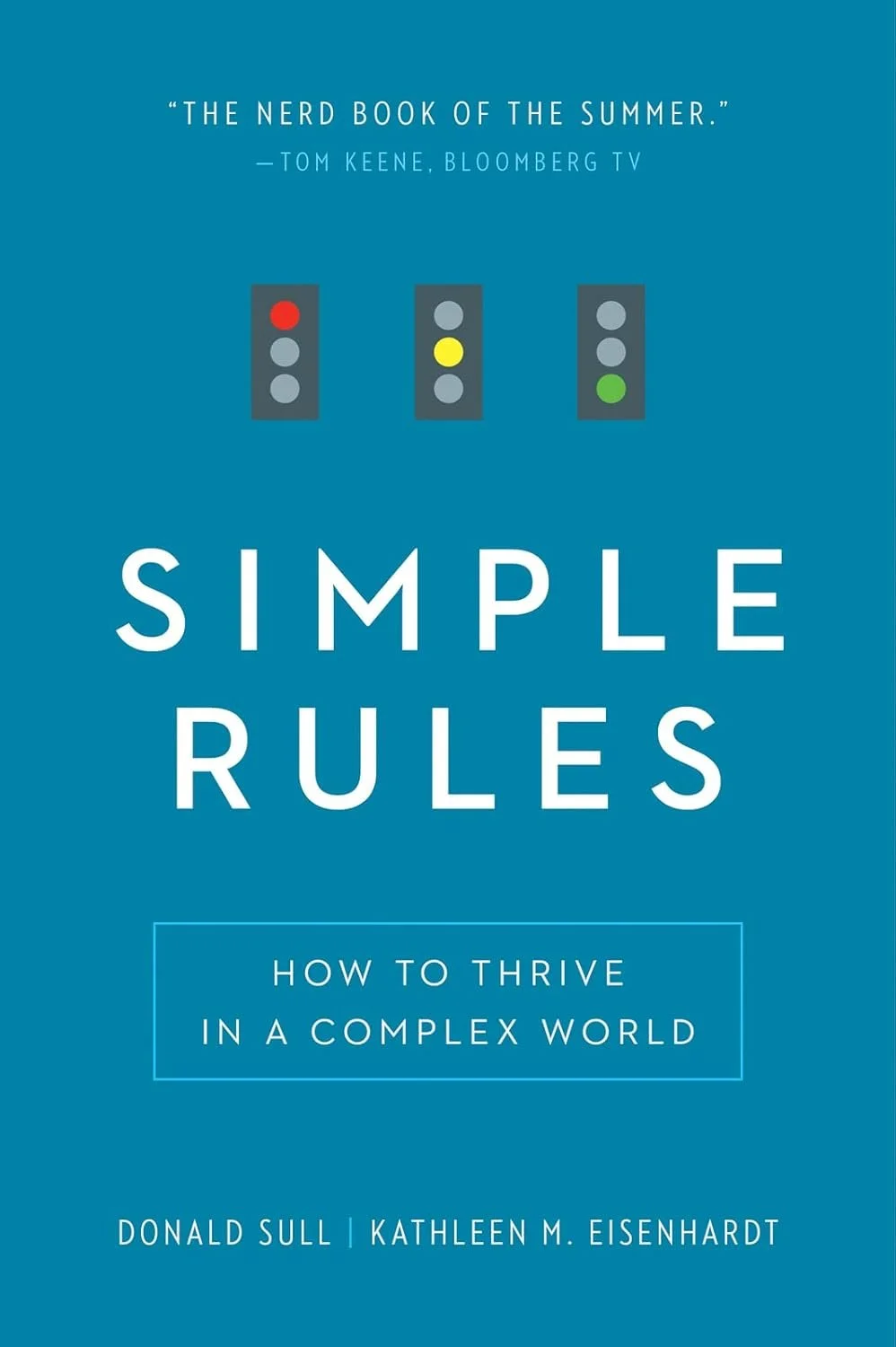
In complex environments, a few well-designed rules outperform detailed plans. Simple rules provide direction while preserving flexibility. A practical application is to identify key decision points and create short, clear rules that guide action without over-controlling behavior.
Communication, Influence and Persuasion
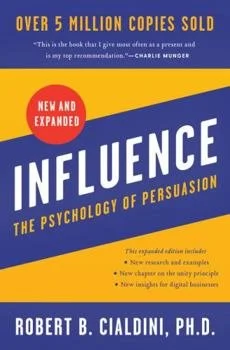
People make decisions using predictable psychological shortcuts, especially in situations of uncertainty or limited time. Persuasion is often less about logic and more about understanding the subconscious forces that guide behavior. Build trust, provide value first, and frame requests in ways that align with how people naturally decide.
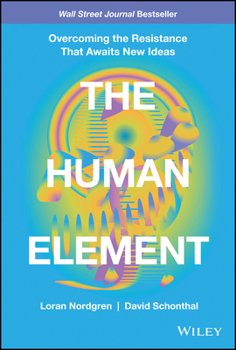
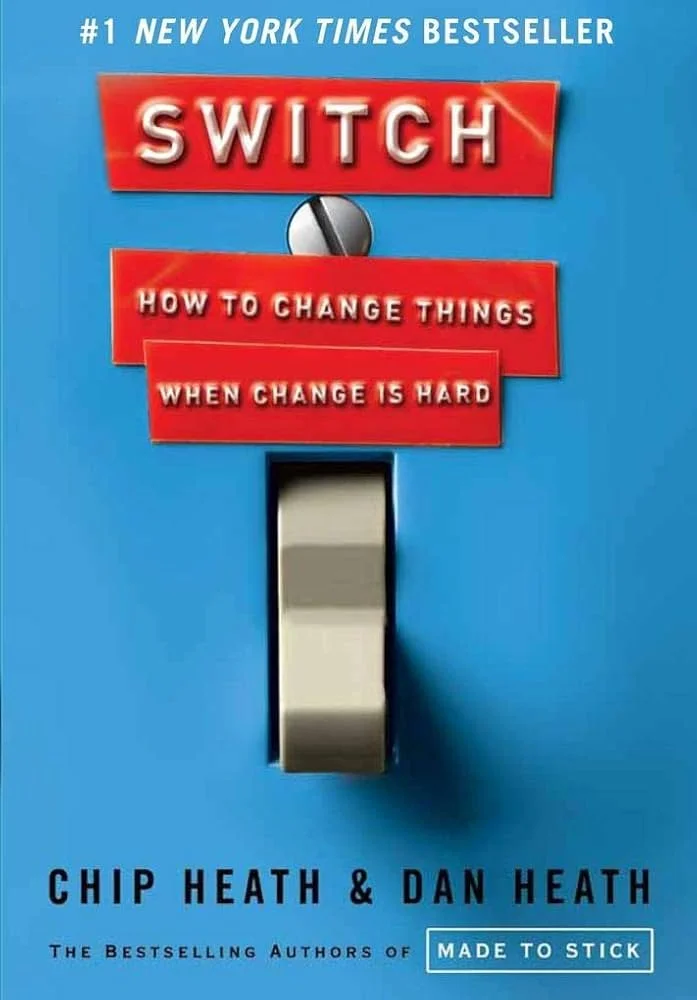
People often resist change even when it seems clearly beneficial. The biggest obstacle to progress isn’t a lack of motivation, but the hidden friction—emotional, cognitive, and practical barriers—that keeps people stuck. Successful change happens not by pushing harder, but by identifying and removing the resistance that makes change feel difficult or threatening.
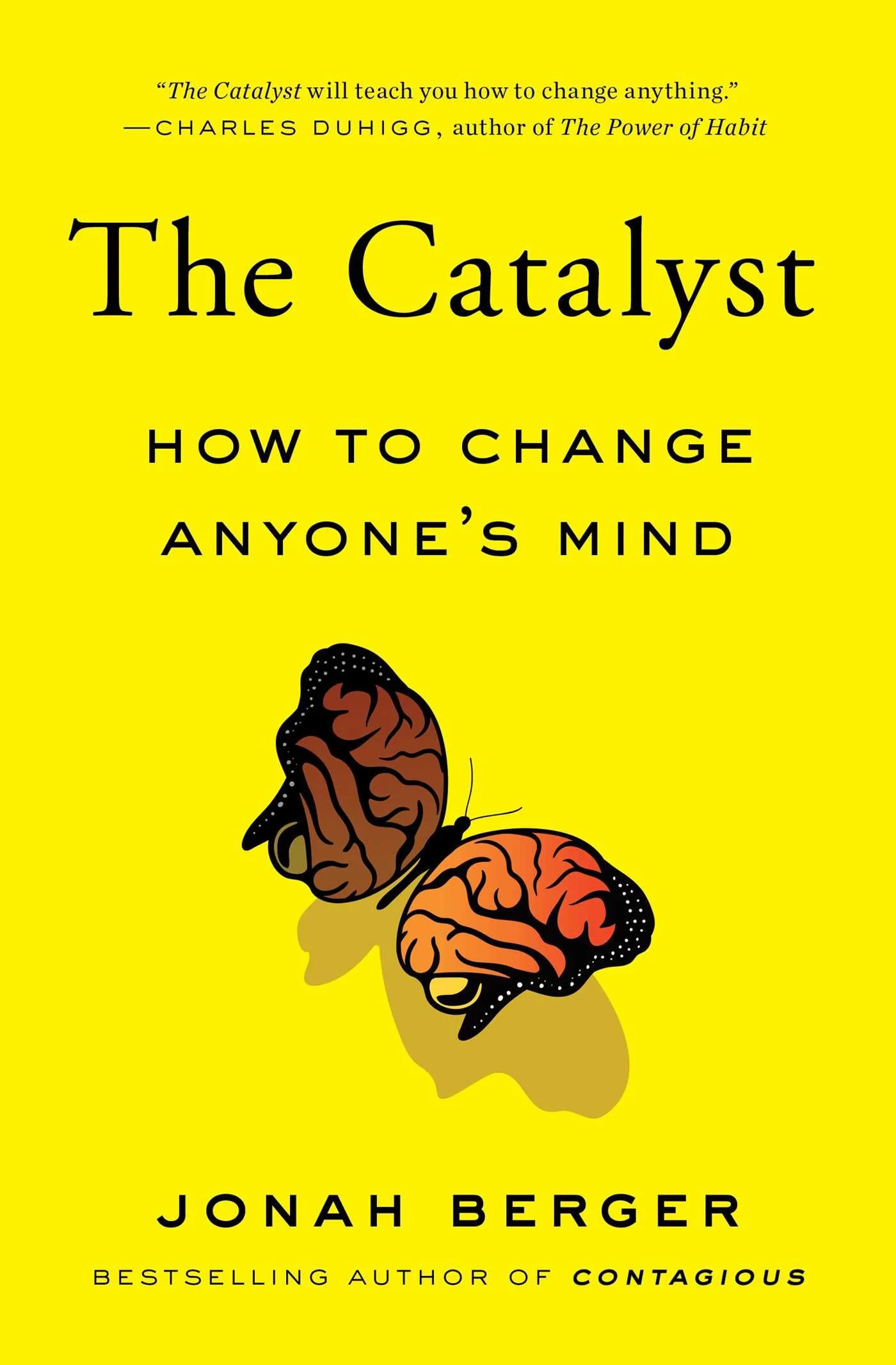
Persuasion often fails not because people don’t see the benefits of change, but because they feel friction and resistance holding them in place. Focus less on pushing harder and more on removing barriers—identify what’s making change feel risky, difficult, or uncomfortable, and reduce that friction step by step. By addressing obstacles instead of arguing benefits, you make change feel easier and more natural, which ultimately moves people to act.
Small shifts in language can create outsized changes in how people think, feel, and act - words don’t just communicate ideas, they actively shape decisions. Use statements that appeal to the “desired identity” of your audience - to be a certain type of person - more than simply duty, responsibility or obligation. By being intentional about wording you can dramatically increase the impact of what you say without changing the message itself.
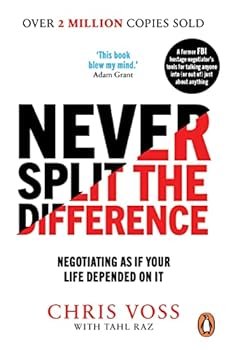
Effective negotiation is about emotional intelligence, not compromise. Understanding feelings and building trust matters more than logic alone. Use tactical empathy—labeling emotions and asking calibrated questions—to guide conversations toward outcomes without forcing agreement or giving up leverage.
Selling is no longer about persuasion tricks—it’s about helping others move toward better decisions. Everyone sells, whether they realize it or not. Replace traditional pitching with problem-finding: ask better questions, listen deeply, and frame ideas in ways that align with what others already care about.
Systems, Change and Optimization
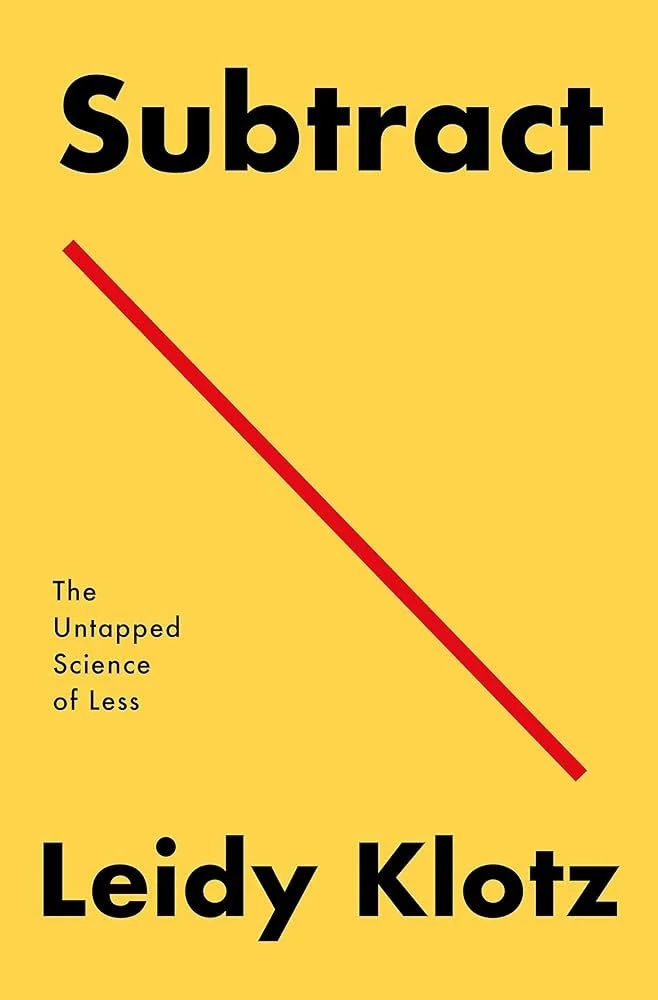
Humans are naturally biased toward adding more—more steps, more features, more solutions—when often the best improvement comes from removing something instead. Subtraction is an overlooked but powerful tool for solving problems, simplifying systems, and increasing effectiveness. Intentionally ask, “What can I take away?” when facing a challenge—cutting unnecessary complexity to create clearer, more efficient impactful outcomes.
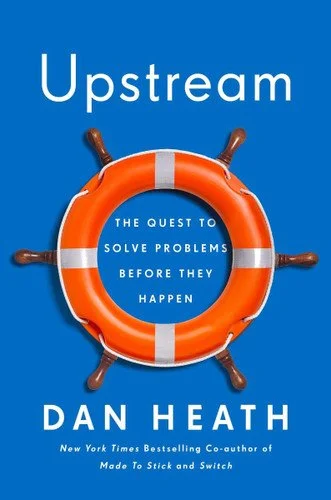
Many of the problems we face persist because we spend too much time reacting to crises instead of preventing them. Real progress comes from identifying root causes and redesigning systems so problems don’t keep recurring. Step back from constant firefighting and ask what structural changes—policies, incentives, processes, or early interventions—could stop issues before they reach downstream consequences.
Progress often feels stuck—not because people lack effort, but because systems are misaligned and filled with friction. Meaningful change comes from finding leverage points, removing obstacles, and redesigning environments so the right actions become easier. Focus on fixing what’s broken in the system—simplifying processes, reducing bottlenecks, and creating conditions that naturally support better outcomes instead of relying on motivation alone.
Change succeeds when you align motivation, direction, and environment. People don’t resist change—they resist confusion and friction. “Shrink the change” by breaking goals into small, concrete steps and shaping the environment so the right behavior becomes the easy behavior.
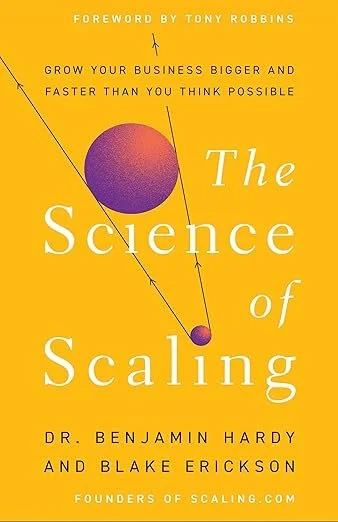
Growth doesn’t come from doing more, but from deliberately subtracting distractions and focusing on what matters most. Scaling requires clarity of identity, goals, and constraints. A practical application is to define your “not-to-do” list—eliminating low-value activities so energy and resources can be concentrated on the few actions that truly drive growth.
Productivity and Sustainable Work
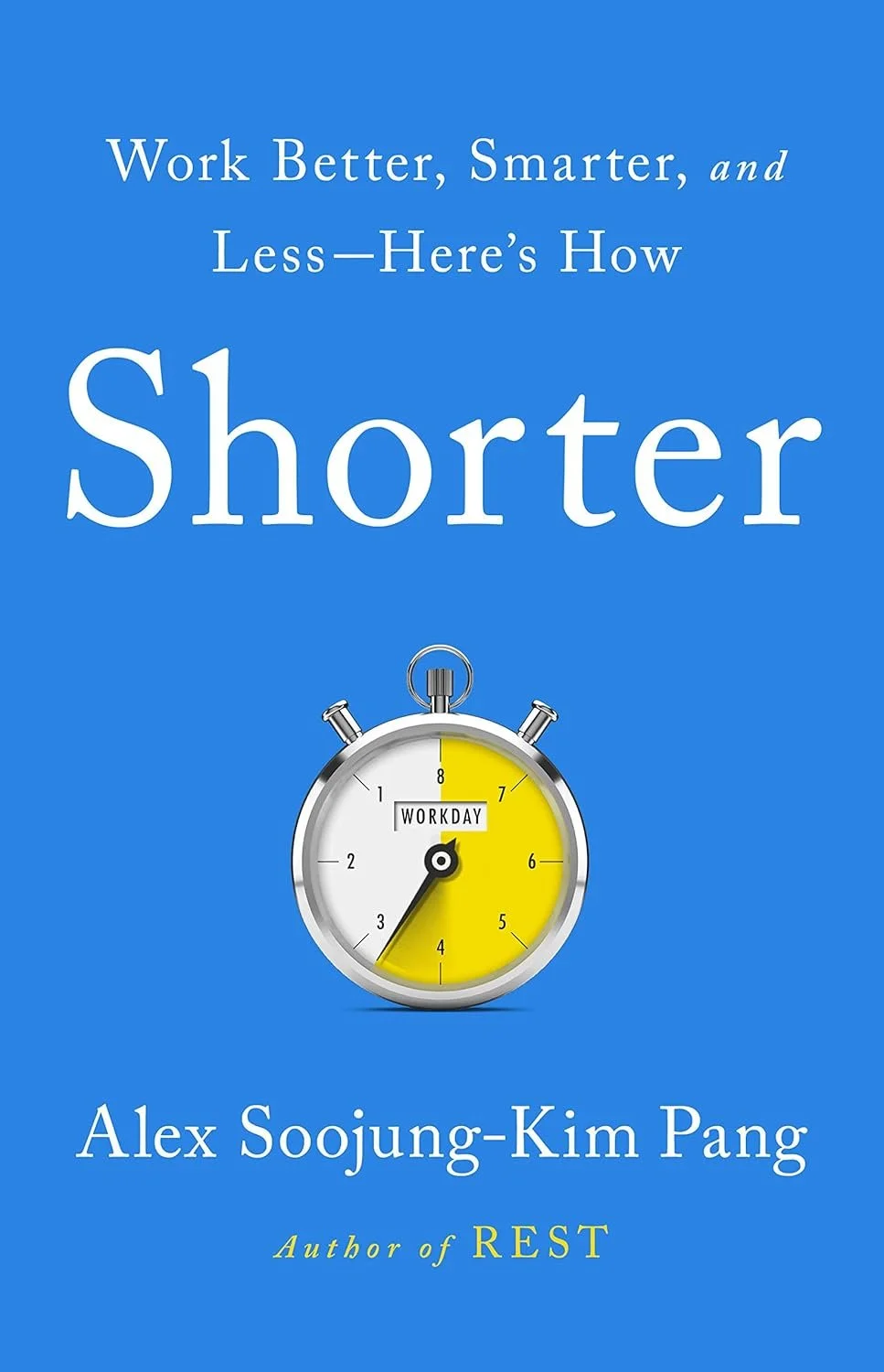
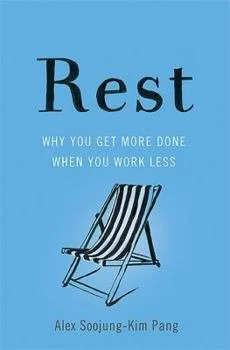
Working fewer hours can actually lead to better results when work is intense, focused, and well-designed. Productivity comes from energy and clarity, not time spent. Redesign workdays around high-focus blocks—protecting time for deep work and rest—rather than defaulting to long hours and constant availability.
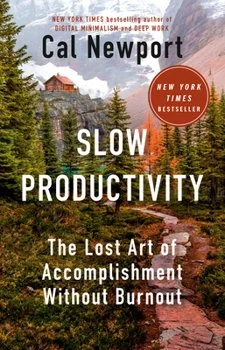
Sustainable, high-quality work comes from doing fewer things at a time, over longer horizons, with less burnout. Productivity should be measured by value, not busyness. A practical application is to limit active projects and embrace longer timelines that allow deep focus and craftsmanship rather than constant task-switching.
Rest is not the opposite of work, but a critical part of doing great work. Creativity and insight often emerge during recovery, not effort. A practical application is to intentionally schedule rest—walks, downtime, and sleep—as non-negotiable parts of productive routines.
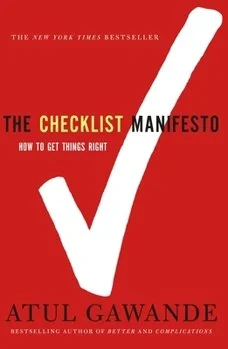
Even experts need simple systems to manage complexity and avoid preventable mistakes. Checklists aren’t about dumbing work down—they’re about freeing mental bandwidth for judgment and creativity. Create short, clear checklists for recurring high-stakes processes (meetings, handoffs, launches) to ensure critical steps aren’t missed, especially under pressure.
Decision-Making and Thinking
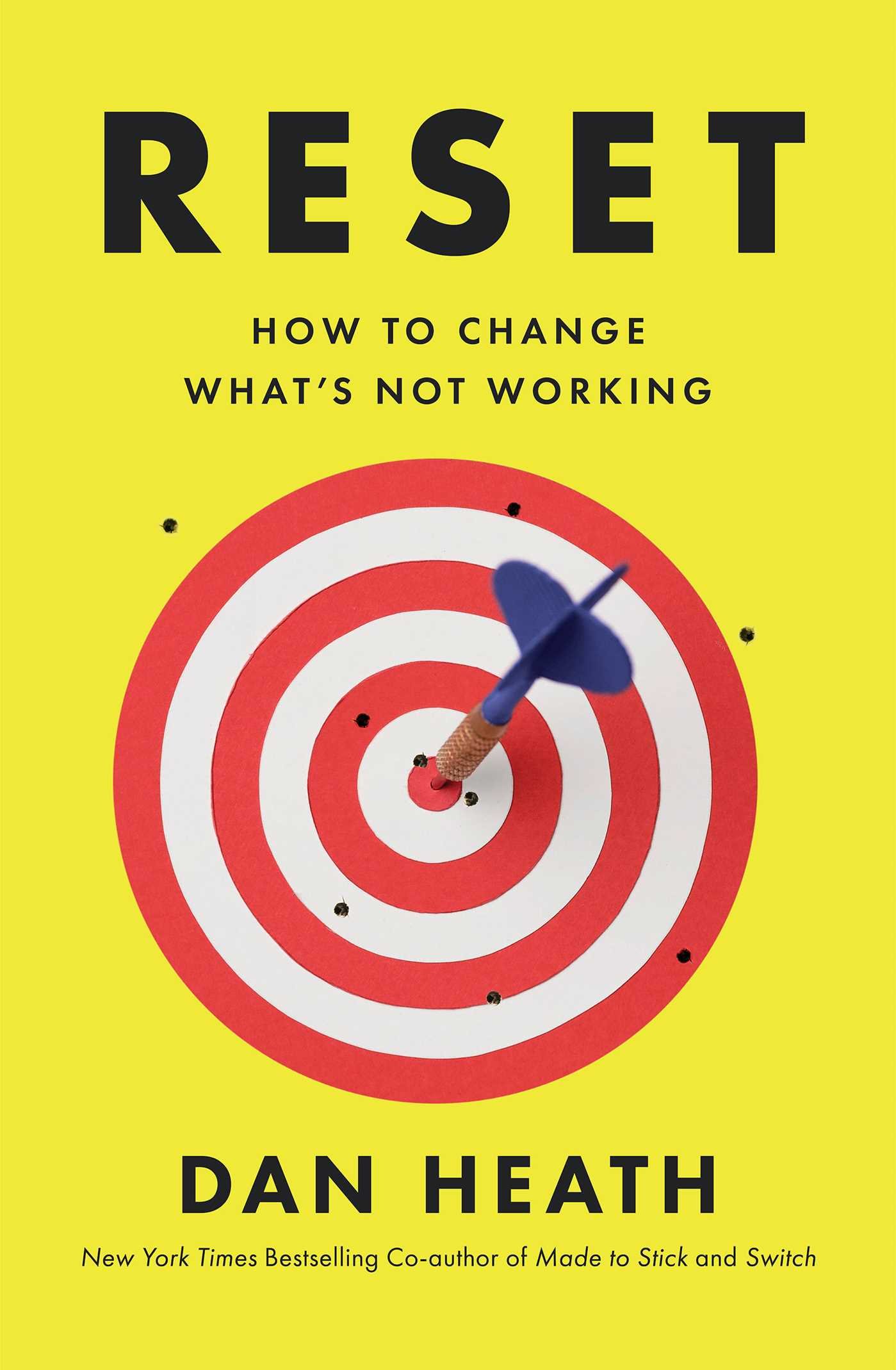
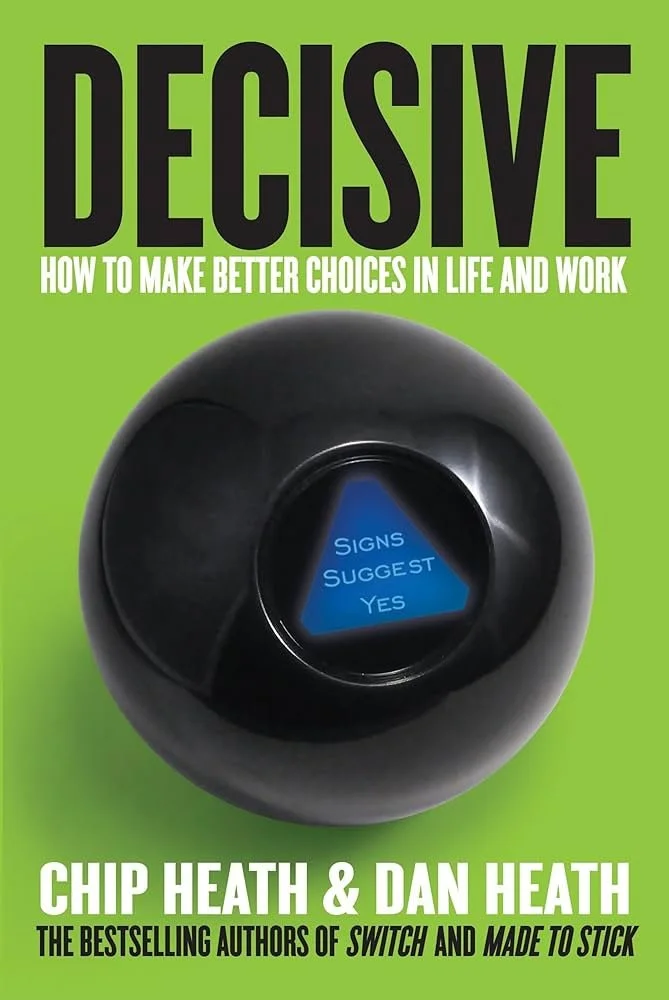
Most bad decisions stem from predictable blind spots like narrow framing and overconfidence. The Heath brothers introduce the WRAP framework to counter these biases. A practical application is to widen options before choosing—asking “What else could we do?”—so decisions aren’t trapped in false either/or thinking.
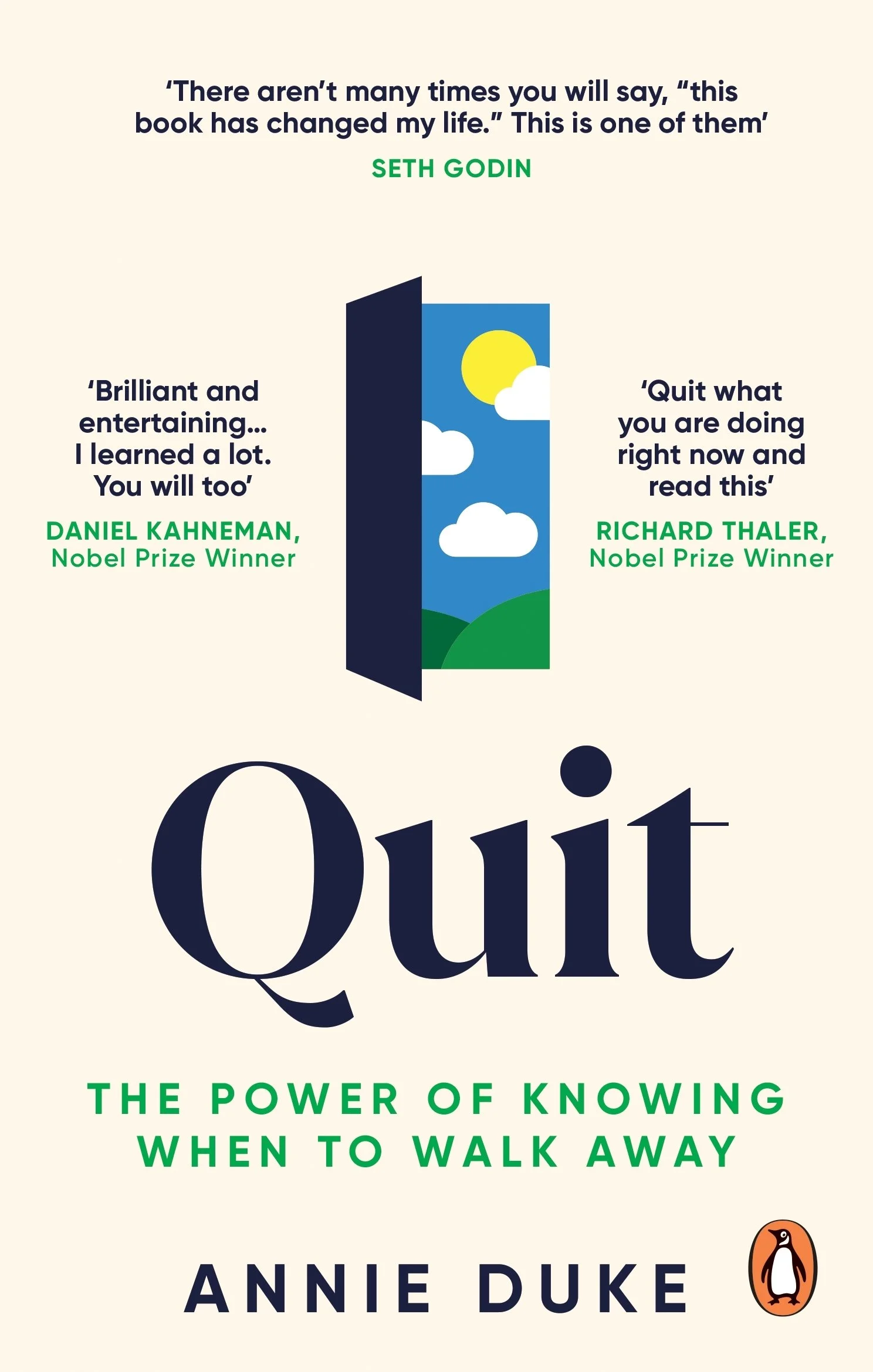
Grit and perseverance are often viewed in the positive while quitting generally has a negative connotation to it. But what if quitting is sometimes the best thing to do, while “not giving up” can be unproductive, or worse, destructive? This book is filled with practical strategies to help you understand why walking away is so hard, identifying when it’s best to persevere or pivot and how quitting on time often feels like quitting too early.
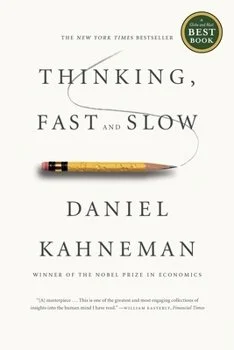
The human mind operates through two systems: a fast, intuitive system that makes quick judgments, and a slow, deliberate system that handles careful reasoning. While fast thinking is efficient, it often leads to cognitive biases and errors in decision-making. Slow down important choices by questioning first impressions, using data or checklists, and creating space for more reflective thinking when the stakes are high.
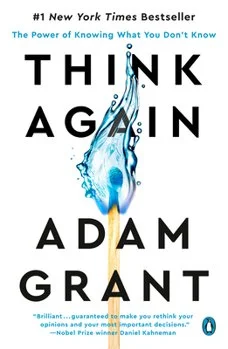
Success depends not just on intelligence or knowledge, but on the ability to rethink, unlearn, and update beliefs. People often cling too tightly to being right, while the most effective learners stay curious and open-minded. Adopt a “scientist mindset”—regularly questioning assumptions, seeking feedback, and welcoming constructive disagreement—so you can grow, adapt, and make better decisions in a changing world.
Focus, Attention and Deep Work
Our inability to concentrate isn’t a personal failure but a systemic problem driven by technology, work culture, and constant interruption. Deep thinking requires environmental change, not just willpower. A practical application is to intentionally reduce attention drains—such as limiting notifications, reclaiming device-free time, and redesigning work rhythms to allow sustained focus.
The ability to concentrate deeply on demanding tasks is becoming increasingly rare—and increasingly valuable—in a world full of distractions. Meaningful achievements come from sustained focus, not constant multitasking or shallow busyness. Build routines that protect uninterrupted work time, such as scheduling deep work blocks, reducing digital interruptions, and training your mind to stay with challenging tasks long enough to produce high-quality results.
Modern technology often overwhelms attention and crowds out the activities that bring real meaning. Conduct a “digital declutter,” temporarily removing optional technologies and then reintroducing only those that clearly enhance your life, allowing more space for focus, relationships, and purposeful work.
Habits, Rhythms and Personal Growth
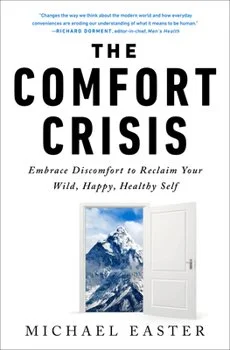
Constant pursuit of comfort dulls resilience, reduces satisfaction, and limits personal growth. Voluntarily embracing manageable discomfort strengthens confidence, focus, and fulfillment. Regularly introduce “comfort challenges” into your life—such as cold exposure, extended nature outings, longer fasting windows, or difficult skills practice—to expand your capacity for discomfort and reset your baseline for satisfaction and purpose.
Modern life tricks our ancient survival instincts into perceiving scarcity—of time, food, attention, and rewards—even when most basic needs are met. This distorts decision-making, fuels craving, and undermines well-being. Identify where your brain is responding to perceived scarcity (always feeling rushed or never having “enough”) and create structures that help you recognize abundance and make more balanced choices.
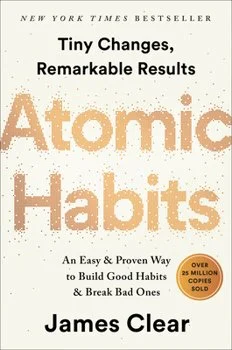
Small, consistent changes can lead to remarkable long-term transformation. Lasting habit change is not about motivation or willpower, but about designing systems and environments that make good behaviors easier and bad behaviors harder. Focus on identity-based habits—building routines that reinforce the kind of person you want to become—while using simple strategies like making habits obvious, attractive, easy, and satisfying.
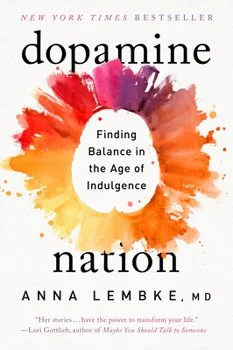
Constant access to pleasure—through technology, food, entertainment, and other quick rewards—can overstimulate the brain and lead to anxiety, addiction, and dissatisfaction. Create intentional periods of restraint or “dopamine fasting,” adding healthy friction and moderation to regain self-control, restore joy in simple experiences, and build a more sustainable relationship with pleasure.
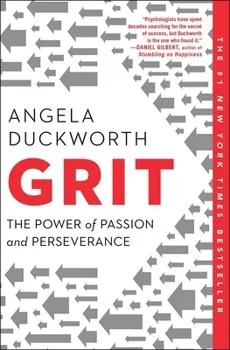
Long-term success depends less on talent and more on sustained effort, resilience, and commitment over time. People who achieve the most are those who combine passion with perseverance—sticking with meaningful goals through setbacks, boredom, and failure. Focus on long-term purpose, build habits of consistent practice, and view challenges as opportunities to grow rather than reasons to quit.
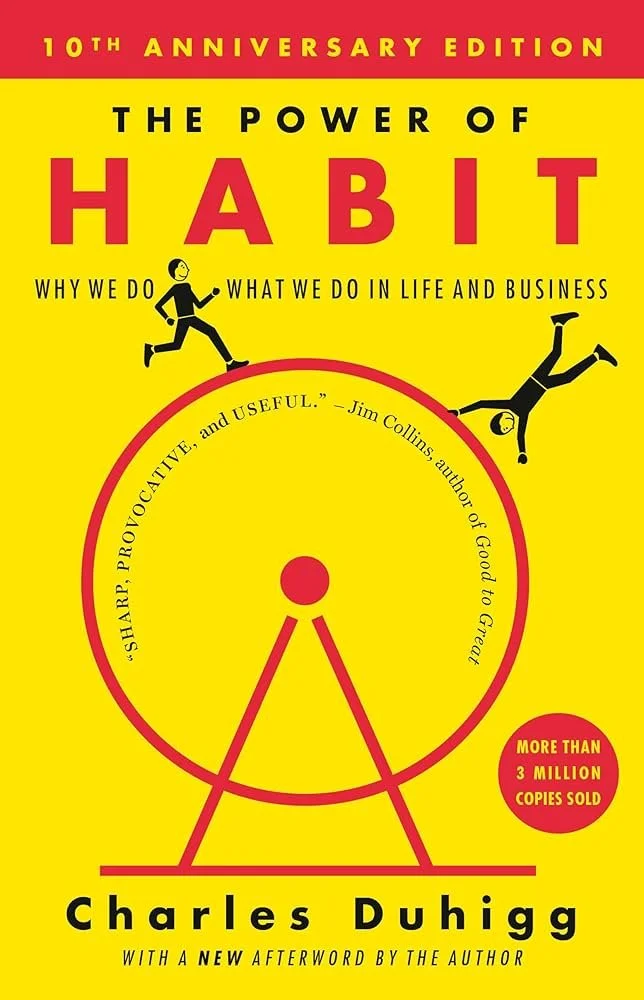
Habits shape individual and organizational behavior more than motivation does. Habits follow a cue–routine–reward loop that can be changed without eliminating the habit itself. A practical application is to identify the cue and reward behind an unwanted habit and intentionally swap in a better routine that satisfies the same need.
Success is less about innate talent and more about how people develop skills, character, and support systems over time. Growth is cultivated through opportunity, feedback, and resilience. A practical application is to build systems that encourage continuous learning—seeking feedback, embracing discomfort, and creating environments where effort compounds.
Most of us have no idea how others see or process their experiences. Understanding the motivations and dynamics of different personality types can be the key that unlocks sometimes mystifying behavior in others―and in ourselves. This has been a helpful conversation starter for Emily and I as we explore and understand ourselves individually and together.
What you don't know about yourself can hurt you and your relationships―and even keep you in the shallows with God. his book allows you to peek inside each of the nine Enneagram types to learn more about yourself and help you see the world through other people's eyes. It’s been helpful insight for me.
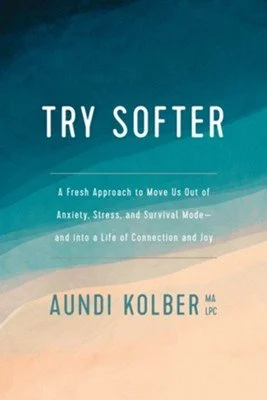
In a world that preaches a "try harder" gospel―just keep going, keep hustling, keep pretending we're all fine―we're left exhausted, overwhelmed, and so numb to our lives. If we're honest, we've been overfunctioning for so long, we can't even imagine another way. How else will things get done? How else will we survive? It doesn't have to be this way.
Creativity and Innovation
Creativity emerges from a mix of brain science, environment, collaboration, and experimentation rather than sudden flashes of genius. Breakthroughs often come from combining existing ideas, allowing time for incubation, and working within supportive cultures that encourage risk-taking.
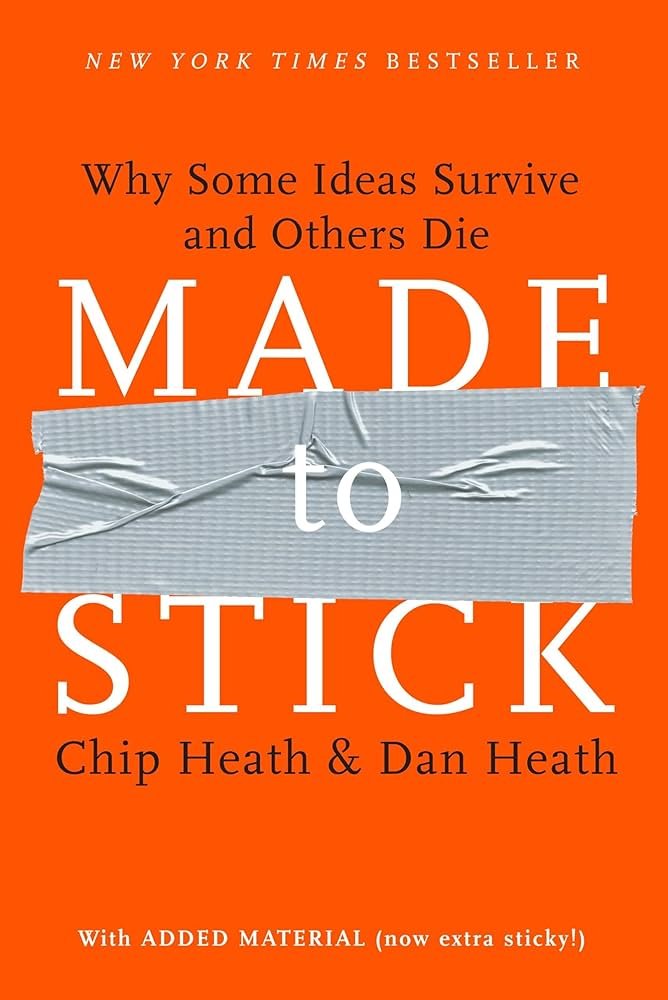
Ideas succeed when they are simple, concrete, emotional, and memorable. Great ideas don’t require complexity—they require clarity. A practical application is to strip messages down to a single core idea and communicate it using vivid examples or stories people can easily recall and repeat.
Creativity flourishes in cultures that prioritize trust, candor, and learning from failure. The role of leadership is to remove fear and enable honest feedback. A practical application is to build regular mechanisms—like open critiques or postmortems—that surface problems early and treat mistakes as opportunities for growth.
Soul Health, Resilience and Formation

Surface behaviors often point to deeper emotional or spiritual issues underneath. Real change comes from addressing the root, not just the symptom. A practical application is to pause and ask what’s really driving a reaction or habit—fear, shame, or unmet needs—and address that deeper layer with honesty and grace.
Trauma is stored not just in the mind, but in the body, shaping behavior, emotions, and health. Healing requires addressing physical and emotional patterns, not just thoughts. A practical application is to integrate body-based practices—like movement, breathing, or mindfulness—into healing and growth rather than relying solely on talk-based approaches.
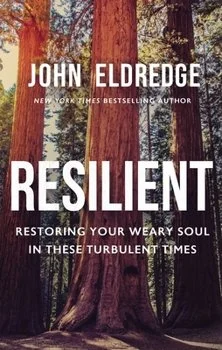
Emotional and spiritual resilience must be intentionally cultivated in an exhausting, chaotic world. Renewal doesn’t happen accidentally—it requires rhythms of restoration. A practical application is to build daily practices that restore the soul, such as solitude, reflection, and moments of beauty, rather than relying solely on productivity or achievement for fulfillment.
Shame thrives in isolation and silence, shaping how people see themselves and relate to others. Thompson explains how healing comes through connection, empathy, and shared stories. A practical application is to intentionally name and normalize difficult emotions in safe relationships, weakening shame’s grip and fostering emotional resilience.
Human desire is deeply rooted in the brain and shaped by connection, beauty, and belonging. Desire itself isn’t the problem—misdirected desire is. A practical application is to cultivate environments and relationships that orient desire toward what brings genuine connection and wholeness rather than shame or isolation.
Culture, Service and Meaningful Experiences
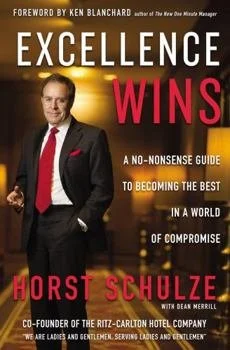
Excellence is not a luxury—it’s a leadership decision that drives long-term success. Schulze emphasizes values, culture, and standards over short-term cost cutting. A practical application is to define non-negotiable standards of excellence and hire, train, and reward people based on those values rather than just technical skills.
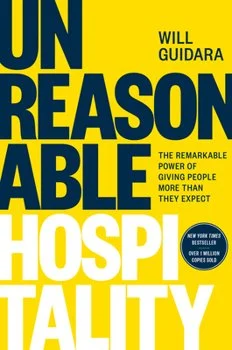
Extraordinary service comes from intentionally exceeding expectations in deeply human ways. Guidara argues that hospitality isn’t limited to restaurants—it’s a mindset that applies to leadership, teamwork, and customer experience. A practical application is to empower people to personalize experiences, encouraging small, thoughtful gestures that make others feel seen rather than just satisfied.
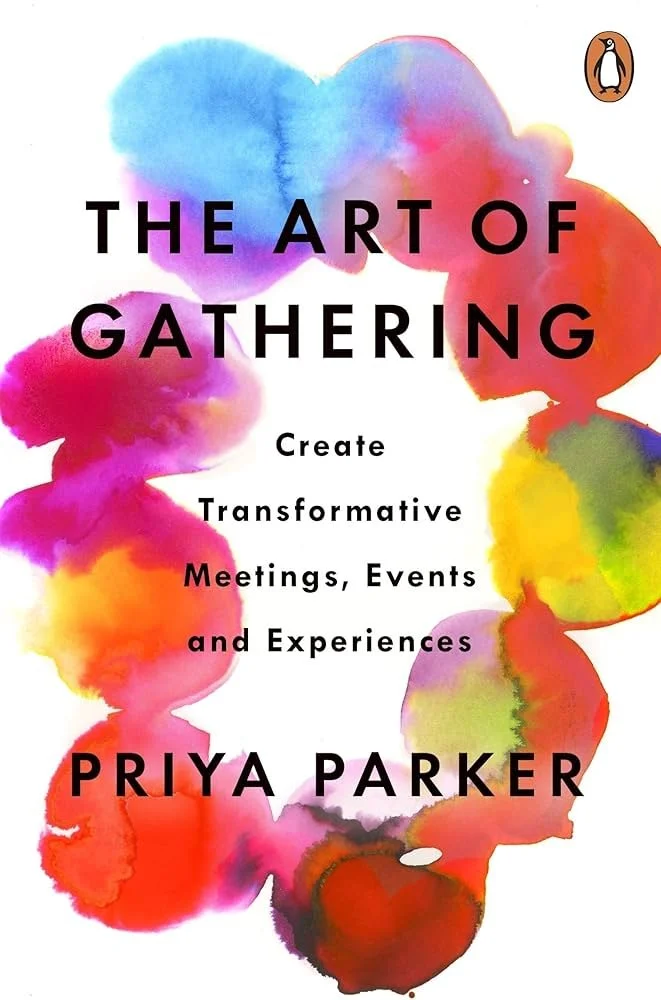
Gatherings should be designed with purpose, not habit. Meaningful connection happens when hosts make intentional choices about who belongs, why they’re there, and how the experience unfolds. A practical application is to define a bold purpose for any meeting or event and design rules or moments that serve that purpose—even if it feels uncomfortable.
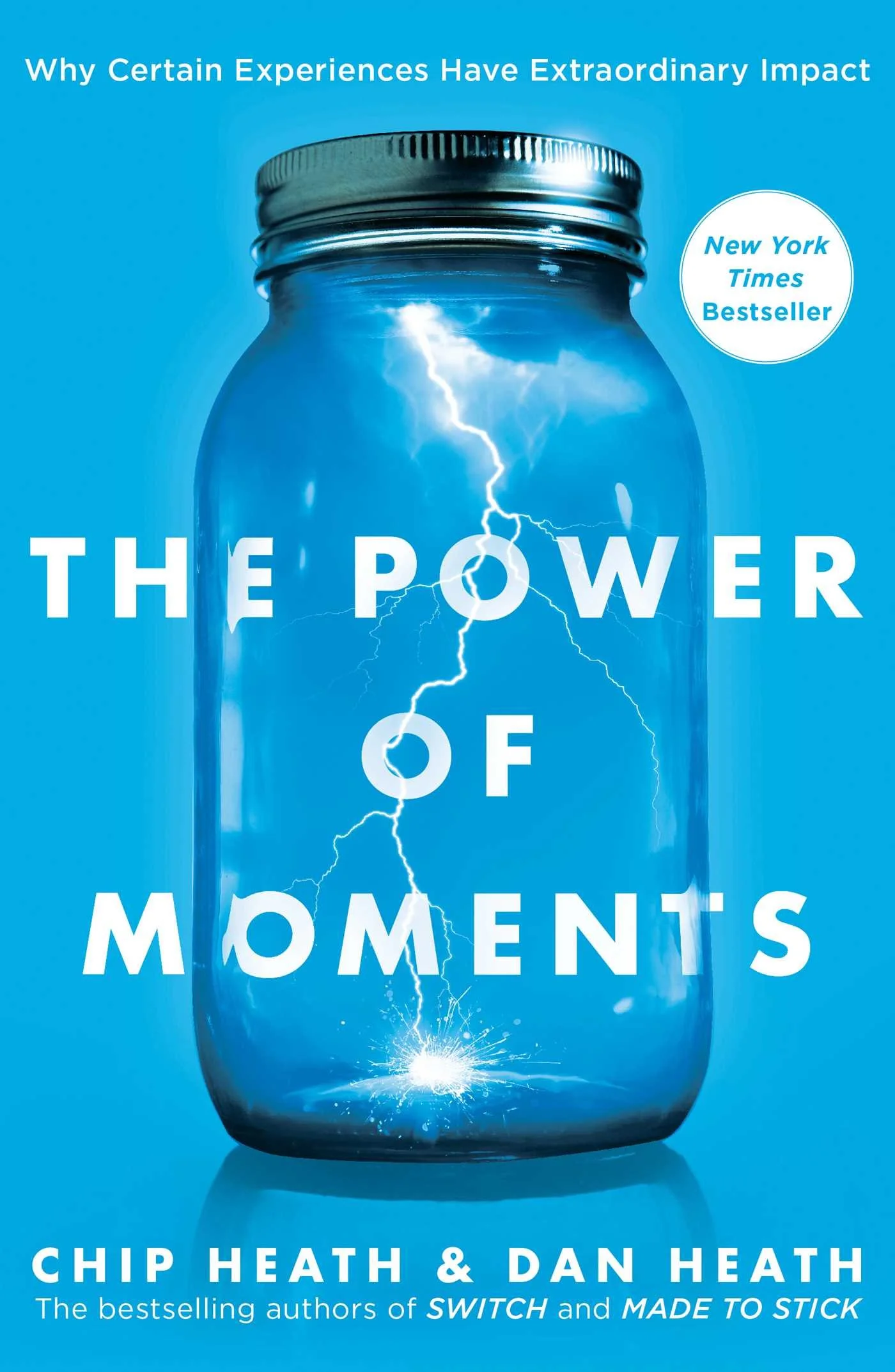
Defining moments—not everyday routines—shape how people remember experiences, relationships, and organizations. Moments of elevation, insight, pride, and connection have lasting influence and can be intentionally created. A practical application is to design peak moments in key situations—celebrations, transitions, recognition, or learning experiences—to make ordinary events become memorable and meaningful.
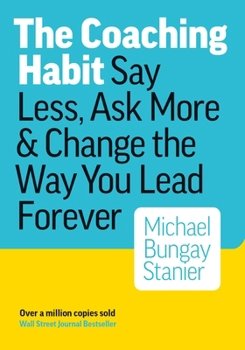
Great leaders coach more by asking than telling. Advice-giving can create dependence, while curiosity builds capability. A practical application is to regularly use the “lazy question” (“How can I help?”) and the “focus question” (“What’s the real challenge here?”) to empower others to think and solve problems themselves.
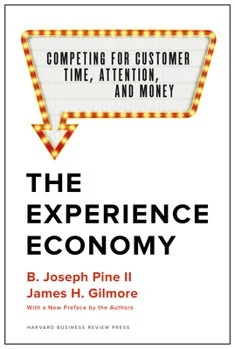
Value has shifted from goods and services to memorable experiences. Customers don’t just buy products—they buy meaningful and transformative experiences. A practical application is to intentionally design experiences around emotions and moments that customers will remember, rather than optimizing solely for efficiency or cost.
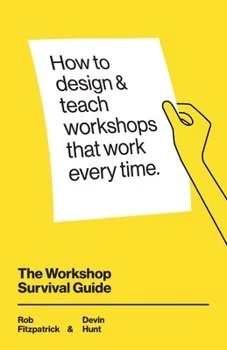
Effective workshops are designed experiences, not improvised meetings. Learning and alignment happen through participation, not presentation. A practical application is to design workshops around clear outcomes and interactive exercises that force decisions, discussion, and practice instead of passive listening.
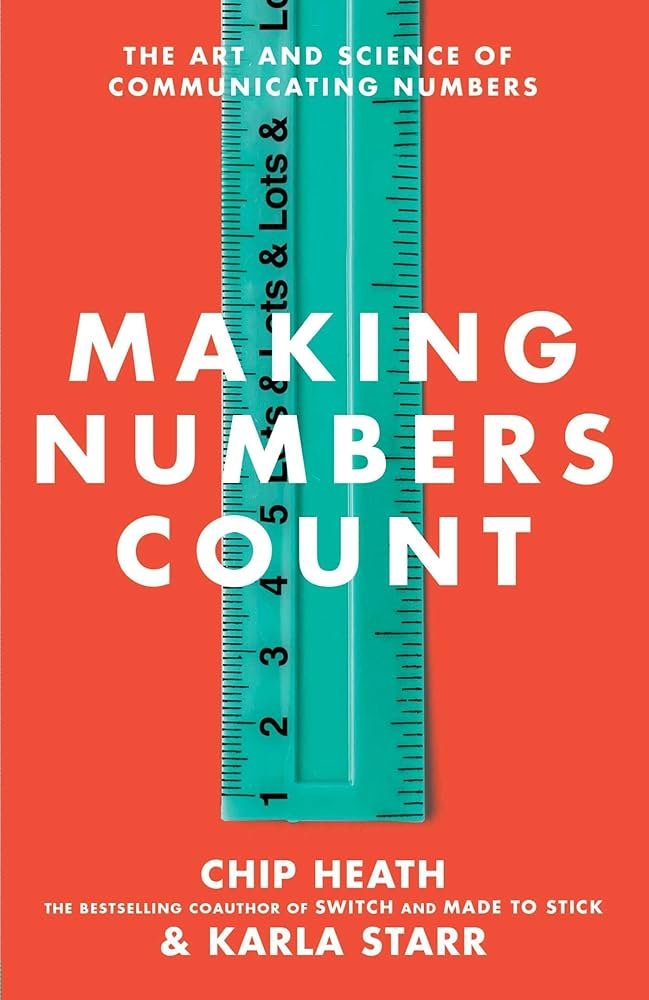
Numbers only matter when people understand and feel them. Data alone doesn’t persuade—meaning does. A practical application is to translate statistics into relatable comparisons, stories, or human-scale examples so audiences grasp why the numbers matter and what action they should inspire.