The Thing Beneath the Thing
Surface behaviors often point to deeper emotional or spiritual issues underneath. Real change comes from addressing the root, not just the symptom. A practical application is to pause and ask what’s really driving a reaction or habit—fear, shame, or unmet needs—and address that deeper layer with honesty and grace.
The Body Keeps the Score
Trauma is stored not just in the mind, but in the body, shaping behavior, emotions, and health. Healing requires addressing physical and emotional patterns, not just thoughts. A practical application is to integrate body-based practices—like movement, breathing, or mindfulness—into healing and growth rather than relying solely on talk-based approaches.
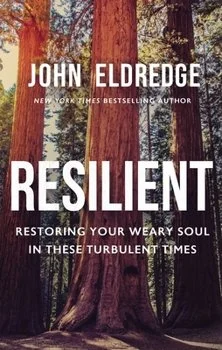
Resilient
Emotional and spiritual resilience must be intentionally cultivated in an exhausting, chaotic world. Renewal doesn’t happen accidentally—it requires rhythms of restoration. A practical application is to build daily practices that restore the soul, such as solitude, reflection, and moments of beauty, rather than relying solely on productivity or achievement for fulfillment.
The Soul of Shame
Shame thrives in isolation and silence, shaping how people see themselves and relate to others. Thompson explains how healing comes through connection, empathy, and shared stories. A practical application is to intentionally name and normalize difficult emotions in safe relationships, weakening shame’s grip and fostering emotional resilience.
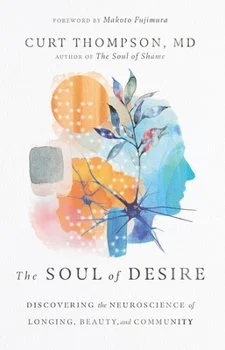
The Soul of Desire
Human desire is deeply rooted in the brain and shaped by connection, beauty, and belonging. Desire itself isn’t the problem—misdirected desire is. A practical application is to cultivate environments and relationships that orient desire toward what brings genuine connection and wholeness rather than shame or isolation.