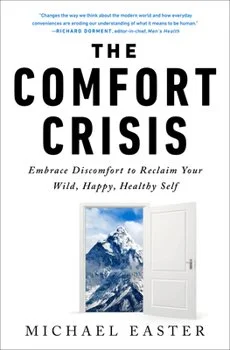
The Comfort Crisis
Constant pursuit of comfort dulls resilience, reduces satisfaction, and limits personal growth. Voluntarily embracing manageable discomfort strengthens confidence, focus, and fulfillment. Regularly introduce “comfort challenges” into your life—such as cold exposure, extended nature outings, longer fasting windows, or difficult skills practice—to expand your capacity for discomfort and reset your baseline for satisfaction and purpose.
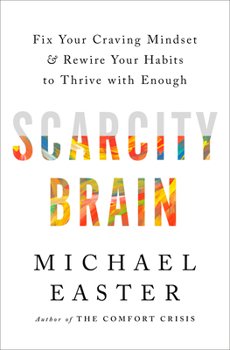
Scarcity Brain
Modern life tricks our ancient survival instincts into perceiving scarcity—of time, food, attention, and rewards—even when most basic needs are met. This distorts decision-making, fuels craving, and undermines well-being. Identify where your brain is responding to perceived scarcity (always feeling rushed or never having “enough”) and create structures that help you recognize abundance and make more balanced choices.
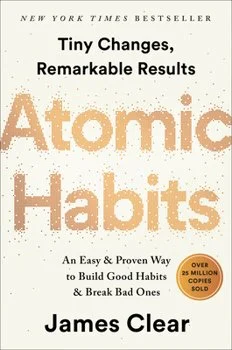
Atomic Habits
Small, consistent changes can lead to remarkable long-term transformation. Lasting habit change is not about motivation or willpower, but about designing systems and environments that make good behaviors easier and bad behaviors harder. Focus on identity-based habits—building routines that reinforce the kind of person you want to become—while using simple strategies like making habits obvious, attractive, easy, and satisfying.
Dopamine Nation
Constant access to pleasure—through technology, food, entertainment, and other quick rewards—can overstimulate the brain and lead to anxiety, addiction, and dissatisfaction. Create intentional periods of restraint or “dopamine fasting,” adding healthy friction and moderation to regain self-control, restore joy in simple experiences, and build a more sustainable relationship with pleasure.
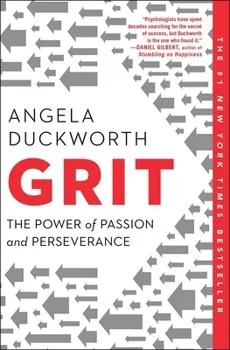
Grit
Long-term success depends less on talent and more on sustained effort, resilience, and commitment over time. People who achieve the most are those who combine passion with perseverance—sticking with meaningful goals through setbacks, boredom, and failure. Focus on long-term purpose, build habits of consistent practice, and view challenges as opportunities to grow rather than reasons to quit.
The Power of Habit
Habits shape individual and organizational behavior more than motivation does. Habits follow a cue–routine–reward loop that can be changed without eliminating the habit itself. A practical application is to identify the cue and reward behind an unwanted habit and intentionally swap in a better routine that satisfies the same need.
Hidden Potential
Success is less about innate talent and more about how people develop skills, character, and support systems over time. Growth is cultivated through opportunity, feedback, and resilience. A practical application is to build systems that encourage continuous learning—seeking feedback, embracing discomfort, and creating environments where effort compounds.
The Path Between Us
Most of us have no idea how others see or process their experiences. Understanding the motivations and dynamics of different personality types can be the key that unlocks sometimes mystifying behavior in others―and in ourselves. This has been a helpful conversation starter for Emily and I as we explore and understand ourselves individually and together.
The Road Back to You
What you don't know about yourself can hurt you and your relationships―and even keep you in the shallows with God. his book allows you to peek inside each of the nine Enneagram types to learn more about yourself and help you see the world through other people's eyes. It’s been helpful insight for me.
Try Softer
In a world that preaches a "try harder" gospel―just keep going, keep hustling, keep pretending we're all fine―we're left exhausted, overwhelmed, and so numb to our lives. If we're honest, we've been overfunctioning for so long, we can't even imagine another way. How else will things get done? How else will we survive? It doesn't have to be this way.